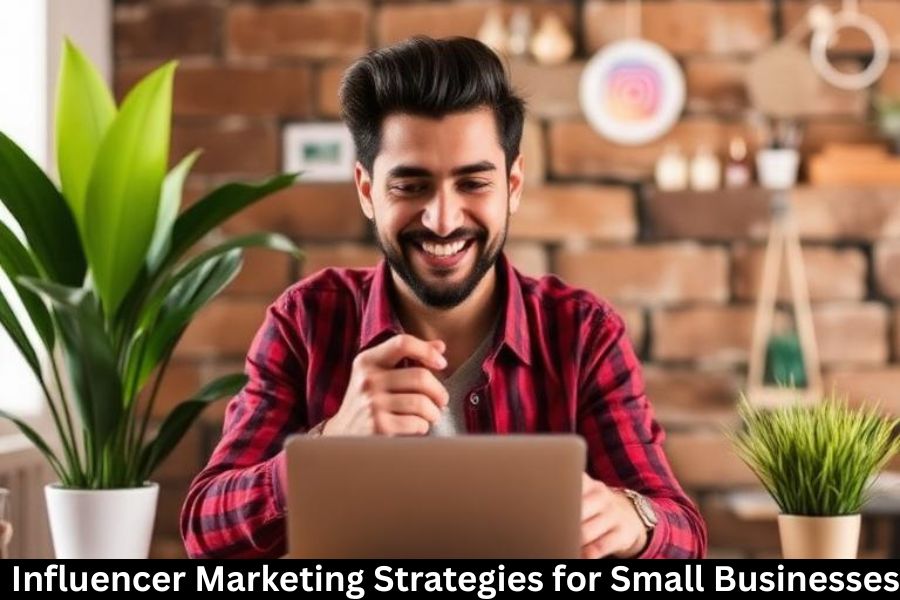
In today’s digital world, small businesses are constantly looking for innovative ways to stand out from the crowd. One of the most effective and budget-friendly methods to gain attention is through influencer marketing. But how does a small business make the most out of this powerful tool? In this article, we will explore the strategies that can help small businesses harness the power of influencer marketing, and take their growth to the next level.
Understanding Influencer Marketing
Influencer marketing is essentially a collaboration between a brand and an influencer to promote products or services. These influencers, often well-known figures on social media, have the ability to sway the purchasing decisions of their followers.
Types of Influencers
- Nano-influencers: With 1K to 10K followers, they offer a highly engaged and niche audience.
- Micro-influencers: Typically having 10K to 50K followers, they have an intimate connection with their followers and are highly trusted.
- Macro-influencers: With 100K to 1 million followers, they can give you great reach, but their engagement rates may not be as high.
- Mega-influencers: These are celebrities or figures with millions of followers, and while their reach is massive, they are often costly.
Benefits of Influencer Marketing for Small Businesses
Why should small businesses invest in influencer marketing? Here are some of the key benefits:
Cost-Effective Marketing Strategy
Small businesses often have limited marketing budgets. Influencer marketing offers a more affordable alternative to traditional advertising methods, such as TV or print ads.
Increased Brand Awareness
By partnering with an influencer who has a dedicated following, small businesses can quickly reach new audiences and raise awareness about their products or services.
Trust and Authenticity
Influencers have built trust with their followers over time. When they endorse a product, it doesn’t feel like an ad – it feels like a personal recommendation, which can increase consumer trust.
Higher Conversion Rates
Influencers can help drive actual sales, not just brand awareness. Their followers trust their opinions, and this can directly translate into higher conversion rates.
How to Choose the Right Influencer for Your Small Business
Choosing the right influencer can be a daunting task. Here’s what you need to consider:
Niche Relevance
Make sure the influencer’s audience aligns with your target market. For example, if you sell beauty products, choose an influencer whose followers are interested in beauty and skincare.
Engagement Rate vs Follower Count
While large follower numbers might seem impressive, engagement rate is more important. Influencers with fewer followers but higher engagement tend to have more influence over their audience.
Brand Alignment and Values
You want an influencer whose values align with your brand. Their persona and messaging should match your business’s tone and objectives.
Setting Realistic Goals for Influencer Marketing
Before diving into influencer marketing, set clear, measurable goals. These might include increasing website traffic, boosting social media engagement, or driving sales for a specific product.
Measuring Success and ROI
Tracking the return on investment (ROI) can be tricky, but it’s essential. Use tools like Google Analytics or tracking links to measure how much traffic and sales came from the influencer’s efforts.
Creating a Solid Influencer Marketing Strategy
Now that you’ve found your influencer, it’s time to develop a strategy. Here’s how:
Researching and Identifying Influencers
Look for influencers in your niche who align with your brand values and target audience. Tools like BuzzSumo or Traackr can help you identify potential influencers.
Approaching Influencers with a Proposal
Be clear about your expectations, compensation, and campaign objectives when reaching out to influencers. Personalize your pitch to show why you think they would be a great fit.
Types of Collaborations
- Product Reviews: Send your product to the influencer and have them review it on their platform.
- Giveaways: Partner with influencers to host giveaways, where participants have to follow your brand or share your post.
- Affiliate Programs: Set up an affiliate program where influencers earn a commission for each sale they drive.
Building Long-Term Relationships with Influencers
Rather than a one-off campaign, aim to build long-term relationships with influencers. Keep the communication open and continue collaborating even after the campaign ends.
Best Platforms for Influencer Marketing
While influencer marketing is prevalent across many platforms, here are the top ones:
- Instagram: Perfect for visually driven products, Instagram is home to influencers across a range of niches.
- YouTube: Great for in-depth product reviews and tutorials.
- TikTok: The short-form video platform has exploded in popularity and is ideal for viral marketing.
Influencer Marketing on a Budget: Tips for Small Businesses
Working with a small budget? Here’s how to make it work:
Negotiating with Influencers
Be upfront about your budget. Many influencers are willing to negotiate for smaller payments or even barter products or services in exchange for promotions.
Bartering Products or Services
If cash is tight, offering free products or services to influencers can be an appealing trade-off.
Leveraging Micro-Influencers
Micro-influencers are often more affordable and highly effective at engaging niche audiences.
Content Creation and Campaign Management
Collaborating with influencers on content creation is crucial. Be involved, but also allow the influencer to have creative freedom to ensure authenticity. Use tools like Hootsuite to manage your campaigns.
Measuring the Success of Influencer Campaigns
To gauge the effectiveness of your campaigns, track the following metrics:
- Engagement: Likes, comments, and shares.
- Reach: How many people saw the content.
- Sales: How many sales were generated from the campaign.
Common Mistakes to Avoid in Influencer Marketing
- Choosing Influencers Without Proper Research: Avoid partnering with influencers just because they have a large following. Research is essential.
- Not Setting Clear Expectations: Ensure you and the influencer are on the same page regarding deliverables.
- Ignoring Engagement Over Followers: Prioritize engagement over raw follower count for better results.
Case Studies: Small Businesses That Got It Right
Local Fashion Brand Success Story
A small local fashion brand partnered with a micro-influencer to showcase their seasonal collection. The influencer’s followers were highly engaged, resulting in a significant boost in online sales.
Small Bakery That Boosted Sales
A local bakery collaborated with food bloggers and social media influencers to showcase their signature cakes. The campaign not only increased foot traffic but also boosted their online orders.
Future of Influencer Marketing for Small Businesses
The influencer marketing landscape is constantly evolving. As platforms like TikTok continue to grow, small businesses will need to adapt to stay ahead of trends. The focus will shift toward authenticity, long-term partnerships, and micro-influencers.
Conclusion
Influencer marketing offers a wealth of opportunities for small businesses looking to increase brand awareness and sales. By selecting the right influencers, setting clear goals, and maintaining authentic relationships, small businesses can effectively leverage this strategy to grow their brand in the competitive digital landscape.
FAQs
1. How do I know which influencer is the best fit for my brand?
Look for influencers whose audience aligns with your target market, and prioritize engagement over follower count.
2. How much should small businesses spend on influencer marketing?
The budget varies, but start small and scale up as you see results. Many influencers are open to negotiating rates.
3. Can influencer marketing work for all types of businesses?
Yes, as long as you find the right influencers for your niche, influencer marketing can work across industries.
4. What are micro-influencers and why should small businesses consider them?
Micro-influencers typically have 10K to 50K followers and are known for high engagement rates. They are often more affordable and highly trusted by their followers.
5. How do I measure the ROI of an influencer marketing campaign?
Track key metrics such as engagement, reach, and sales, and use analytics tools to monitor performance.