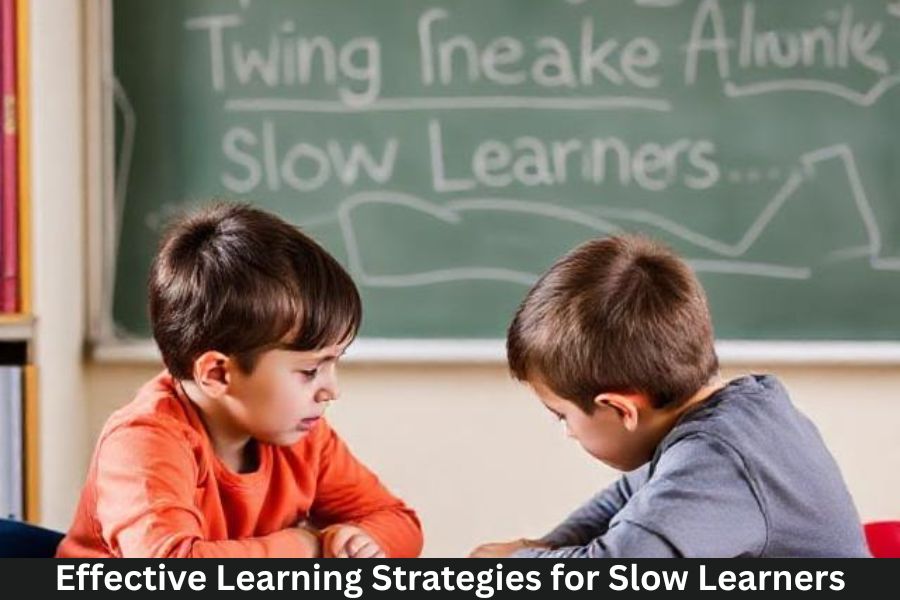
Adaptive learning technologies are changing the way slow learners experience education. Instead of forcing them to learn at the same pace as everyone else, adaptive systems adjust the difficulty, style, and speed of lessons to match each learner’s needs. Think of it as having a personal tutor available 24/7—supportive, patient, and always ready to guide.
Understanding Adaptive Learning
Adaptive learning uses technology to personalize lessons, making learning more approachable and less stressful for students who need extra time.
Why Slow Learners Need Personalized Tools
Many slow learners struggle in traditional classrooms because the pace is too fast. Adaptive tools give them room to breathe, understand, and grow at their own speed.
Who Are Slow Learners?
Slow learners may take longer to process information, but that doesn’t mean they lack intelligence or potential.
Common Characteristics
- Difficulty keeping up with fast-paced lessons
- Short attention span
- Struggle with abstract concepts
Learning Challenges They Face
They often feel overwhelmed in group settings, especially when they can’t match the pace of peers.
Strengths and Abilities
Many slow learners excel in hands-on activities, creative tasks, and visual learning.
What Are Adaptive Learning Technologies?
Adaptive learning tools use artificial intelligence to adjust lessons to match each learner’s strengths and weaknesses.
Definition and Overview
These systems personalize content delivery, ensuring lessons are not too easy or too difficult.
How Adaptive Systems Work
They analyze performance in real time and modify the difficulty level instantly.
Benefits of Adaptive Learning
- Personalized learning
- Reduced frustration
- Better engagement
- Improved comprehension
Key Features of Adaptive Learning Tools
Personalized Learning Paths
Each student receives a unique learning route based on their pace and performance.
Real-Time Feedback
Students know immediately when they make a mistake, helping them improve quickly.
Intelligent Assessment
The system determines what the learner already knows and adjusts future lessons accordingly.
Data-Driven Insights
Teachers and parents can monitor progress through reports and dashboards.
Types of Adaptive Learning Technologies
AI-Powered Learning Platforms
Intelligent Tutoring Systems
These tools mimic one-on-one tutoring, guiding students step-by-step.
Machine Learning Algorithms
They learn from student behavior and personalize tasks over time.
Gamified Learning Tools
Reward-Based Systems
Games motivate slow learners by turning lessons into challenges and rewards.
Interactive Educational Games
These help build focus and make learning fun.
Multisensory Learning Technologies
Audio-Visual Content
Videos, animations, and narrated lessons improve memory retention.
Kinesthetic Tools
Hands-on activities and interactive simulations make learning easier.
Best Adaptive Learning Tools for Slow Learners
Khan Academy
Offers personalized practice in math and other subjects.
DreamBox Learning
A math-focused platform that adapts to the child’s progress.
Duolingo
A great language-learning tool with gamified elements.
Smart Sparrow
Provides customizable online courses tailored to individual needs.
IXL Learning
Adaptive questions and immediate explanations help build mastery.
How Adaptive Learning Supports Slow Learners
Reduces Anxiety and Pressure
Students learn without feeling rushed or judged.
Encourages Self-Paced Progress
They move forward only when they are ready.
Improves Memory Retention
Repetition and personalized content boost long-term understanding.
Enhances Confidence and Motivation
Progress tracking helps students see their own improvement.
Implementing Adaptive Learning in Schools
Teacher Training
Teachers should know how to use technology effectively.
Creating a Supportive Classroom Environment
Encouragement and patience are essential.
Combining Adaptive Tools with Traditional Teaching
A blended approach ensures balanced learning.
The Role of Parents and Guardians
Providing Encouragement
Positive reinforcement boosts motivation.
Monitoring Progress
Parents can track how their child is improving through dashboards.
Creating a Consistent Learning Routine
Routine helps slow learners stay focused.
Challenges of Using Adaptive Learning Technologies
Technology Access Issues
Not all students have devices or reliable internet.
Internet Dependence
Most adaptive tools require stable connectivity.
Quality of AI Algorithms
Not all tools are equally accurate or personalized.
Future of Adaptive Learning for Slow Learners
More Personalized AI Tools
Future systems will tailor learning even more accurately.
Enhanced Emotional Recognition Features
Tools may soon detect frustration or confusion through facial cues.
Increased Accessibility
More affordable and inclusive tools will become available.
Conclusion
Adaptive learning technologies are transforming education for slow learners. With personalized lessons, real-time feedback, and engaging content, these tools remove the pressure of traditional classrooms and empower students to learn confidently at their own pace. As technology continues to evolve, the learning experience for slow learners will only become more supportive, inclusive, and effective.
FAQs
1. What is adaptive learning?
Adaptive learning is technology-based learning that personalizes lessons based on a student’s needs.
2. How do adaptive tools help slow learners?
They adjust lesson difficulty, provide instant feedback, and allow students to learn at their own pace.
3. Are adaptive learning tools easy to use?
Most tools are user-friendly and designed for both kids and adults.
4. Do adaptive learning technologies replace teachers?
No, they complement teachers by providing personalized support.
5. What is the best adaptive learning tool for beginners?
Khan Academy and IXL are great starting points due to their simplicity and high-quality content.