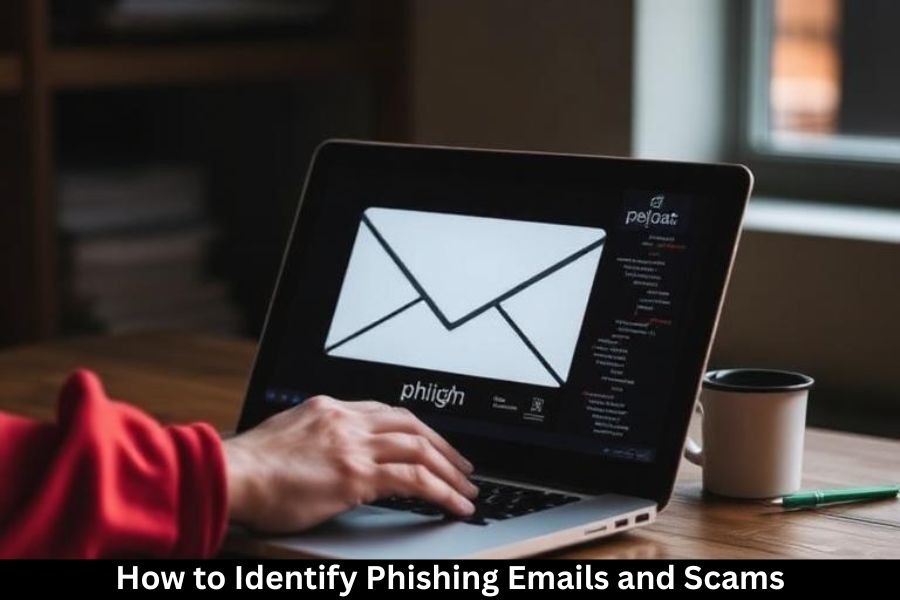
Phishing emails have become one of the most common cyber threats today. They’re sneaky, convincing, and designed to trick you into sharing private information—like passwords, credit card numbers, or bank details. But once you know the signs, spotting a phishing scam becomes much easier.
What Is Phishing?
Phishing is a type of cyberattack where scammers pretend to be trusted organizations to steal personal or financial information.
Why Phishing Is a Growing Threat
As digital communication grows, so do cybercriminal tactics. Phishing attacks have become more sophisticated, targeting people of all ages and backgrounds.
Common Types of Phishing Scams
Email Phishing
Traditional phishing emails pretending to be from companies like banks or online stores.
Spear Phishing
Highly targeted attacks aimed at a specific individual or group.
Whaling Attacks
Designed to trick high-level executives—big targets with big access.
Smishing and Vishing
Scams via SMS (smishing) and voice calls (vishing).
Clone Phishing
Scammers duplicate a real email and replace the links with malicious ones.
How Phishing Emails Work
Psychological Manipulation
They use fear, urgency, or excitement to push you to act quickly.
Fake Links and Redirects
Scammers disguise malicious links to look like legitimate URLs.
Malicious Attachments
Attachments may contain viruses, malware, or ransomware.
Key Signs of a Phishing Email
Suspicious Sender Addresses
If the email domain looks odd or unfamiliar, that’s a major red flag.
Poor Grammar and Spelling
Professional companies rarely send emails full of errors.
Generic Greetings
“Dear Customer” instead of your name is often a sign of mass phishing.
Unexpected Attachments
Never open attachments you weren’t expecting.
Urgent or Threatening Language
Scammers try to panic you into acting fast.
Mismatched URLs
Hover over links before clicking—if it doesn’t match the text, don’t trust it.
Requests for Personal Information
Legitimate companies will never ask for sensitive info via email.
Examples of Realistic Phishing Scenarios
Fake Bank Notifications
Messages claiming “suspicious activity” on your account.
“Account Suspension” Warnings
Emails saying your account will be locked unless you click a link.
Lottery or Prize Winning Emails
If you didn’t enter a contest, you didn’t win.
Fake Delivery Notifications
Scammers pretend to be delivery services asking you to pay a “redelivery fee.”
How to Verify an Email’s Authenticity
Check the Email Domain
Fake domains often look similar but include typos.
Inspect Links Before Clicking
Hover your mouse to preview the real URL.
Contact the Organization Directly
Use official phone numbers or websites.
Look for Security Certificates
Secure websites begin with “https” and have a padlock icon.
What to Do If You Receive a Phishing Email
Do Not Click Any Links
Avoid interacting with the email.
Report the Email
Report it to your email provider or IT department.
Delete the Message
Simply delete it to avoid accidental clicks later.
Scan Your Device for Malware
Run a security scan to ensure your device is safe.
Protecting Yourself from Future Scams
Enable Multi-Factor Authentication
Even if scammers steal your password, MFA can block access.
Use Spam Filters
Most email platforms filter suspicious messages automatically.
Keep Software Updated
Updates strengthen your security.
Educate Yourself and Others
Knowledge is your strongest defense.
Tips for Businesses to Prevent Phishing
Employee Training
Teach staff how to spot and report scams.
Email Authentication Tools
Use DMARC, SPF, and DKIM to block fake emails.
Strong IT Security Policies
Encourage regular password changes and secure behavior.
The Future of Phishing Attacks
AI-Generated Scams
Scammers are using AI tools to create more convincing messages.
More Personalized Attacks
Future phishing will target individuals using personal data.
Enhanced Cybersecurity Tools
Luckily, cybersecurity tools are also becoming smarter.
Conclusion
Phishing emails and scams are everywhere, but they don’t have to catch you off guard. With the right knowledge, you can identify suspicious messages instantly and protect your personal and financial information. Stay alert, double-check everything, and never share sensitive data through email. When in doubt—don’t click.
FAQs
1. What should I do if I clicked a phishing link?
Change your passwords immediately and run a security scan.
2. Can phishing emails infect my computer without clicking anything?
Most require clicking, but opening suspicious attachments is dangerous.
3. How common is phishing?
Phishing is one of the most widespread cyberattacks globally.
4. Are phishing emails always obvious?
No—some are extremely convincing, which is why awareness is essential.
5. Can spam filters block all phishing emails?
They help, but some still slip through—stay