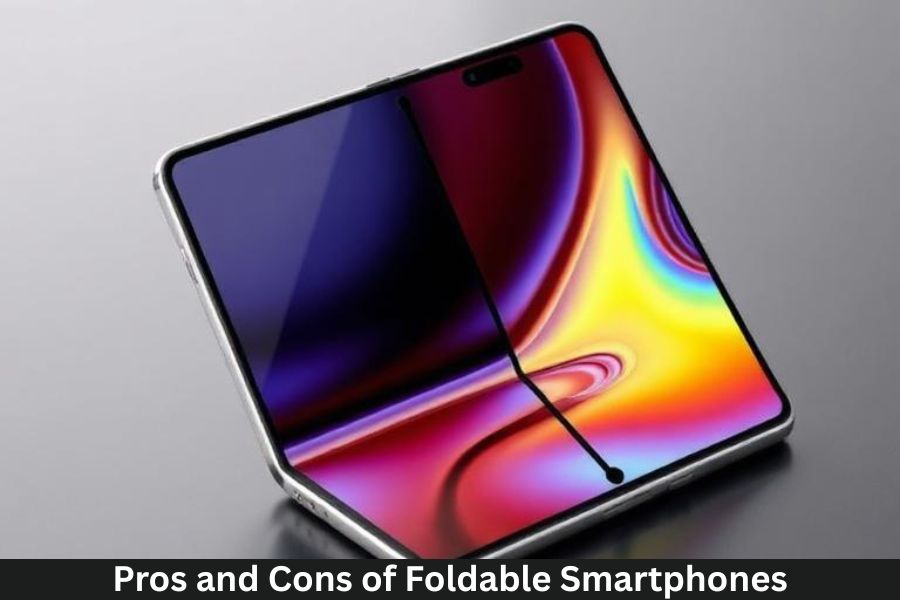
The tech world has been buzzing with excitement over the rise of foldable smartphones. These devices, which were once just a futuristic concept, have become a reality in recent years, thanks to advancements in screen technology. Whether it’s the sleek design, the promise of a larger display, or the innovative folding mechanism, foldable smartphones have captured the attention of both tech enthusiasts and everyday users. But like all new technology, they come with their share of pros and cons. In this article, we’ll dive deep into the advantages and disadvantages of foldable smartphones, helping you decide whether this cutting-edge technology is worth your investment.
What Are Foldable Smartphones?
Foldable smartphones are devices that feature a screen that can be folded, offering a dual-purpose design that can transform a compact phone into a larger, tablet-like screen when unfolded. The key to this functionality lies in advanced flexible OLED displays and hinge technology.
Types of Foldable Smartphones
There are primarily two types of foldable smartphones:
- Clamshell Design (Flip Phones): The phone folds vertically, similar to a flip phone, such as the Samsung Galaxy Z Flip.
- Book-Style Fold (Phablets): The phone unfolds horizontally like a book, providing a tablet-sized display, as seen in the Samsung Galaxy Z Fold series.
Both designs offer users a mix of portability and screen real estate, giving them an entirely new way to interact with their devices.
The Pros of Foldable Smartphones
Innovative Design
One of the most appealing aspects of foldable smartphones is their groundbreaking design. The ability to fold the phone gives it a futuristic appeal that no traditional smartphone can match. Not only does this make the device more compact, but it also showcases the potential of flexible display technology. If you’re someone who enjoys being on the cutting edge of technology, the foldable design is undeniably attractive.
Compactness and Portability
When folded, foldable smartphones are usually as compact as a regular phone, making them easy to fit in your pocket or purse. Unlike larger phones that require a separate bag, foldable phones give you the best of both worlds—portability without sacrificing screen size.
Larger Display for Better Viewing Experience
Unfolded, these devices often provide a much larger screen, which makes them perfect for watching videos, playing games, or browsing the web. The added screen space can also be a boon for multitaskers, as you can have multiple apps open side by side. If you’ve ever wanted the portability of a phone with the functionality of a tablet, foldable smartphones are a dream come true.
Multitasking and Productivity
Thanks to their larger screens, foldable smartphones are excellent for multitasking. Some models allow you to run several apps at once, side by side, making it easier to work on the go. Imagine editing a document, responding to emails, and checking social media—all on the same screen. This kind of productivity boost is perfect for people who need more than just a phone for their daily tasks.
Enhanced Durability
Despite their unique folding mechanisms, many foldable smartphones are built to be surprisingly durable. The latest models come with reinforced hinges and durable screens designed to withstand thousands of folds without degrading. Some even come with water resistance, ensuring that your device can handle the daily wear and tear of being in your pocket or bag.
Improved User Experience with Foldable Features
The user experience on foldable smartphones is continually improving. Software optimizations, such as app continuity, ensure that apps automatically adjust their layout when transitioning between folded and unfolded modes. As developers get more creative with how apps interact with foldable screens, the overall experience is likely to become even smoother.
The Cons of Foldable Smartphones
High Price
One of the biggest drawbacks of foldable smartphones is their high price tag. The advanced technology behind foldable screens, coupled with the premium materials used, drives the cost up significantly. At present, foldable phones are often priced at over $1,000, which can be a barrier for many users. This makes them more of a luxury item than a mainstream choice.
Durability Concerns
While foldable smartphones are designed to be durable, they are still prone to wear and tear over time. The hinges, which allow the phone to fold, are mechanical parts that can wear out, potentially leading to problems with the folding mechanism. Some users also report that the flexible displays can be prone to scratches or damage if not handled carefully.
Bulkier and Heavier
When unfolded, foldable smartphones can be bulkier and heavier than regular smartphones. While the added size may give you more screen real estate, it can make the phone less comfortable to use, especially with one hand. If you’re used to lightweight, sleek devices, the bulkiness of foldable phones can take some getting used to.
Limited App Support
Although the technology is advancing, not all apps are optimized for foldable smartphones. Some apps might not fully utilize the extra screen space, leading to a less-than-ideal user experience. As foldable phones become more popular, we can expect app developers to create better support, but for now, some apps might feel clunky on a foldable device.
Battery Life Limitations
Foldable smartphones often come with large screens, but that doesn’t always translate to better battery life. The battery needs to power a larger display and the complex folding mechanism, which can sometimes result in shorter battery life compared to traditional smartphones. However, with improvements in battery technology, this issue may improve in future models.
Fragility of the Foldable Display
The foldable display itself is still a fragile technology. While manufacturers are working hard to improve the durability of foldable screens, they are generally more delicate than regular smartphone displays. The screen may be more susceptible to creases, fingerprints, and other forms of damage over time.
Are Foldable Smartphones the Future?
Foldable smartphones are still in their early stages, but the potential they offer is immense. As the technology matures, we can expect foldable devices to become more affordable, more durable, and more versatile. Some experts predict that foldable smartphones could eventually replace traditional phones, offering users a device that combines the best aspects of phones, tablets, and laptops in one.
However, there are still challenges to overcome, particularly in terms of price, durability, and app support. If manufacturers can address these issues, foldable smartphones may indeed become the future of mobile devices.
Conclusion
Foldable smartphones are undoubtedly one of the most exciting innovations in the mobile tech industry. They offer a unique combination of portability and screen size, making them an ideal choice for those who need both. However, they come with their own set of challenges, including high prices, durability concerns, and limited app support.
As the technology continues to evolve, foldable smartphones will likely become more accessible and practical for everyday users. For now, if you’re willing to invest in this cutting-edge technology, the benefits of a foldable phone might just outweigh the drawbacks.
FAQs
Are foldable smartphones worth the price?
Foldable smartphones can be worth the price if you’re looking for a unique, high-tech device with a larger screen and the ability to multitask. However, if you prioritize cost over features, traditional smartphones may offer better value.
Do foldable phones break easily?
While foldable phones are built to be durable, they do have some fragility due to the folding mechanism. It’s important to handle them with care to prevent damage to the display or hinges.
How long does the battery last on a foldable phone?
The battery life of foldable smartphones is comparable to traditional phones, though it may vary depending on usage and the specific model. However, the larger screen and advanced technology can sometimes result in shorter battery life.
Can foldable smartphones replace tablets?
Yes, foldable smartphones can replace tablets for many users, thanks to their larger screen size when unfolded. They offer the portability of a phone with the functionality of a tablet, making them versatile devices for work or play.
What is the lifespan of a foldable smartphone?
The lifespan of a foldable smartphone is still a topic of discussion. While the technology is improving, foldable phones might not last as long as traditional smartphones due to the wear and tear on the folding mechanism and screen. However, manufacturers are working to improve durability.