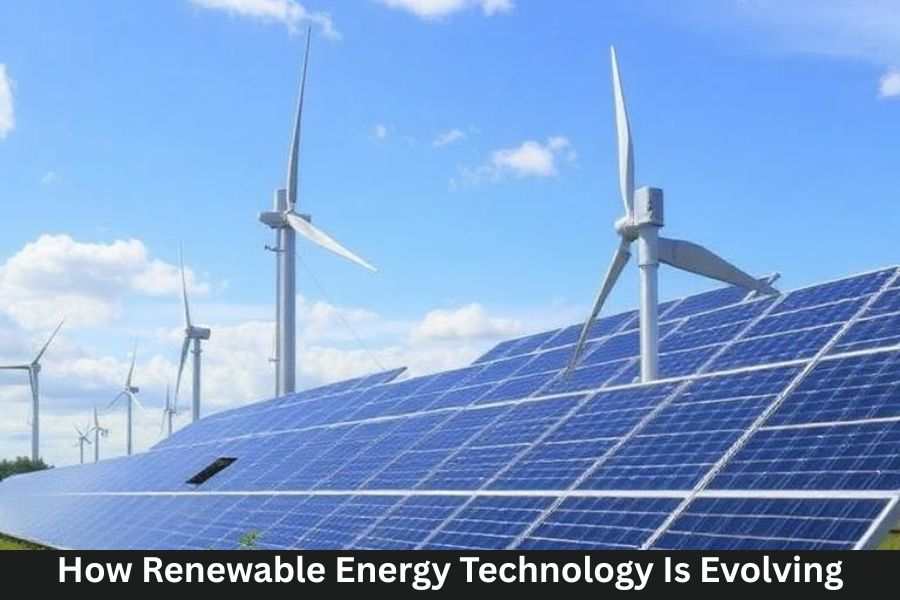
As the world faces growing concerns about climate change, the importance of transitioning to renewable energy sources has never been more critical. Over the past decade, technological advancements have made renewable energy options more efficient, affordable, and accessible. Renewable energy technologies, such as solar, wind, and hydropower, are evolving rapidly, offering promising solutions for a sustainable future. But how exactly are these technologies evolving, and what does the future hold for renewable energy?
In this article, we’ll dive deep into the innovations that are shaping the renewable energy landscape and explore how these technologies are pushing us closer to a cleaner, greener planet.
The Rise of Renewable Energy
The Global Push for Cleaner Energy
The global push for cleaner energy is driven by the need to reduce greenhouse gas emissions and combat climate change. Governments, businesses, and individuals are increasingly prioritizing renewable sources to power homes, industries, and transportation. In addition to environmental benefits, renewable energy offers economic opportunities, job creation, and energy security.
The Paris Agreement, along with international sustainability goals, has played a key role in accelerating the adoption of renewable energy worldwide. As countries set ambitious targets for reducing carbon emissions, renewable energy technologies are stepping up to meet the challenge.
Key Drivers of Renewable Energy Adoption
Several factors are driving the shift toward renewable energy:
- Cost Reduction: Technological advancements have dramatically lowered the cost of renewable energy production, making it more competitive with fossil fuels.
- Policy and Incentives: Governments are offering subsidies, tax incentives, and grants to promote the use of clean energy.
- Public Awareness: As environmental concerns rise, public demand for clean, sustainable energy has increased.
- Energy Security: Renewable energy reduces dependency on imported fossil fuels, ensuring a more secure and resilient energy supply.
Types of Renewable Energy Technologies
Solar Power
Solar energy harnesses the power of the sun to generate electricity. It’s one of the most widely adopted renewable energy technologies due to its versatility and scalability.
Wind Energy
Wind power uses wind turbines to convert kinetic energy from wind into electricity. Both onshore and offshore wind farms are being used to generate large amounts of clean energy.
Hydropower
Hydropower generates electricity by using the energy of flowing water, typically through dams or water mills. It has been used for centuries but is now being enhanced with new technologies like tidal and wave energy.
Geothermal Energy
Geothermal energy taps into the Earth’s natural heat to produce electricity or heat buildings. This technology is increasingly seen as a reliable source of clean, baseload power.
Biomass Energy
Biomass energy involves converting organic materials, such as wood, agricultural residues, or algae, into fuel for heating or electricity generation. It’s considered carbon-neutral and helps reduce waste.
Technological Advancements in Solar Power
Solar Panels and Efficiency Improvements
Solar panels have become more efficient over the years, thanks to innovations in photovoltaic (PV) technology. The latest solar panels are capable of converting more sunlight into electricity, allowing homes and businesses to generate more power from smaller systems.
- Tip: Today’s solar panels can reach efficiencies of around 20-22%, a significant increase from the 12-15% efficiency rates of early models.
Solar Storage Solutions
Solar energy is intermittent—meaning it’s not always available when you need it. To address this, energy storage technologies, like batteries, are being developed to store excess solar power for use during cloudy days or at night.
- Innovative Solutions: Advanced lithium-ion batteries, as well as newer technologies like solid-state batteries, are making solar storage more affordable and efficient.
Floating Solar Farms
Floating solar farms are an innovative approach to solar energy that places solar panels on bodies of water like lakes, reservoirs, or even oceans. These farms can produce significant amounts of power without requiring large areas of land.
- Benefits: They also help reduce water evaporation and can be placed on bodies of water that are not suitable for traditional agriculture.
Perovskite Solar Cells
Perovskite solar cells are a promising new technology that could revolutionize solar power. These cells are cheaper to produce and have the potential to offer much higher efficiency rates than traditional silicon-based panels.
- Advancement: Research is underway to improve the stability and longevity of perovskite cells, which could make them a mainstream option in the near future.
Wind Energy Innovations
Offshore Wind Farms
Offshore wind farms, built in bodies of water, particularly the ocean, are growing in popularity due to their ability to generate large amounts of electricity without taking up valuable land space. They also benefit from stronger and more consistent winds found offshore.
- Future Potential: As turbine technology improves, offshore wind energy is expected to become a major contributor to the global energy mix.
Vertical Axis Wind Turbines
Traditional wind turbines are horizontal-axis, but vertical-axis wind turbines (VAWTs) are gaining attention for their ability to capture wind from any direction. These turbines are more compact and can be used in urban settings where space is limited.
- Innovation: VAWTs are also less noisy and have fewer moving parts, making them easier to maintain.
Blade Design and Materials
The design of wind turbine blades has evolved dramatically. New materials, such as carbon fiber, are being used to create lighter, stronger, and more durable blades. These materials help reduce wear and tear, increase efficiency, and extend the lifespan of wind turbines.
Breakthroughs in Hydropower
Tidal Energy
Tidal energy captures the energy from rising and falling tides to generate electricity. Unlike traditional hydropower, tidal energy does not rely on river flow and can provide a predictable and reliable source of clean energy.
- Tech Innovations: Turbine designs that can operate efficiently in tidal conditions are being refined, offering a promising new source of renewable energy.
Pumped Storage Hydropower
Pumped storage hydropower is a type of energy storage that uses two reservoirs at different elevations. Water is pumped from the lower to the upper reservoir during times of low demand and released to generate electricity when demand is high.
- Efficiency: It’s one of the most cost-effective forms of energy storage available, helping to balance intermittent renewable sources like solar and wind.
Micro Hydropower Systems
Micro hydropower systems harness the power of small streams or rivers to generate electricity for individual homes or small communities. These systems are gaining popularity in remote areas where larger infrastructure isn’t feasible.
Geothermal Energy’s Growing Role
Enhanced Geothermal Systems (EGS)
EGS is an innovative method of harnessing geothermal energy by creating artificial reservoirs in hot rock formations. This technology allows for geothermal energy production in areas that were previously unsuitable for traditional geothermal plants.
Geothermal Heat Pumps
Geothermal heat pumps use the constant temperature of the Earth to heat and cool buildings. They are becoming more popular for residential and commercial heating due to their efficiency and low environmental impact.
The Role of Biomass and Biofuels
Advanced Biomass Conversion Technologies
Biomass energy is being enhanced with technologies that convert organic waste into usable fuels with higher efficiency. These technologies can convert a wide range of materials, such as agricultural waste, into energy, reducing waste and greenhouse gas emissions.
Algae-based Biofuels
Algae-based biofuels are another promising development in renewable energy. Algae can be grown rapidly and converted into biodiesel or ethanol, offering a sustainable alternative to fossil fuels.
Waste-to-Energy Technologies
Waste-to-energy (WTE) technologies convert non-recyclable waste into usable electricity or heat. This process not only reduces waste but also provides an additional source of renewable energy.
Energy Storage Technologies
Batteries and Supercapacitors
As renewable energy sources like solar and wind are intermittent, efficient energy storage is crucial. Advances in battery technology, including lithium-ion and solid-state batteries, are making it easier to store energy for later use. Supercapacitors are also being explored for their ability to store energy quickly and discharge it when needed.
Hydrogen Energy Storage
Hydrogen can be produced from renewable energy sources through electrolysis and stored for later use in fuel cells or other applications. Hydrogen energy storage is seen as a potential solution to large-scale energy storage challenges.
Smart Grids and Renewable Energy Integration
What Are Smart Grids?
Smart grids are advanced electrical grids that use digital technology to monitor and manage the flow of electricity. They enable more efficient use of renewable energy and better integration of distributed energy sources, such as solar panels and wind turbines.
How Smart Grids Help Integrate Renewables
Smart grids allow for better control of electricity demand and distribution, making it easier to incorporate renewable energy into the power grid. They can also store energy generated during times of low demand for use during peak periods.
Energy Management Systems
Energy management systems (EMS) are software solutions that help optimize energy use by balancing supply and demand, improving efficiency, and reducing costs. They are essential for integrating renewable energy into the grid.
Challenges Facing Renewable Energy Technology
Despite the many advancements, renewable energy technologies face significant challenges, such as intermittency, grid compatibility, and high initial costs. However, ongoing research and innovation are helping overcome these hurdles.
Future Prospects of Renewable Energy
The future of renewable energy looks promising. With continued technological advancements and decreasing costs, renewable energy sources like solar, wind, and geothermal are set to dominate the global energy market. As countries commit to net-zero emissions targets, the adoption of renewable energy technologies will continue to accelerate.
Conclusion
Renewable energy technologies are evolving rapidly, offering hope for a more sustainable future. From solar power innovations to breakthroughs in wind and geothermal energy, these advancements are paving the way for cleaner, greener energy solutions. As we continue to innovate, the potential for renewable energy to transform the global energy landscape grows stronger every day.
FAQs
What are the most common types of renewable energy?
The most common types of renewable energy are solar, wind, hydropower, geothermal, and biomass energy.
Why is renewable energy technology evolving?
Renewable energy technology is evolving to become more efficient, cost-effective, and scalable, helping to meet the world’s growing energy demands while combating climate change.
What is a smart grid and how does it help with renewable energy?
A smart grid is an advanced electrical grid that uses digital technology to manage energy distribution. It helps integrate renewable energy sources more efficiently into the power grid.
What challenges do renewable energy technologies face?
Renewable energy technologies face challenges such as intermittency (energy availability), high initial costs, and grid integration issues.
How can I use renewable energy in my home?
You can use renewable energy in your home by installing solar panels, using energy-efficient appliances, and adopting energy storage solutions like batteries to store excess energy for later use.