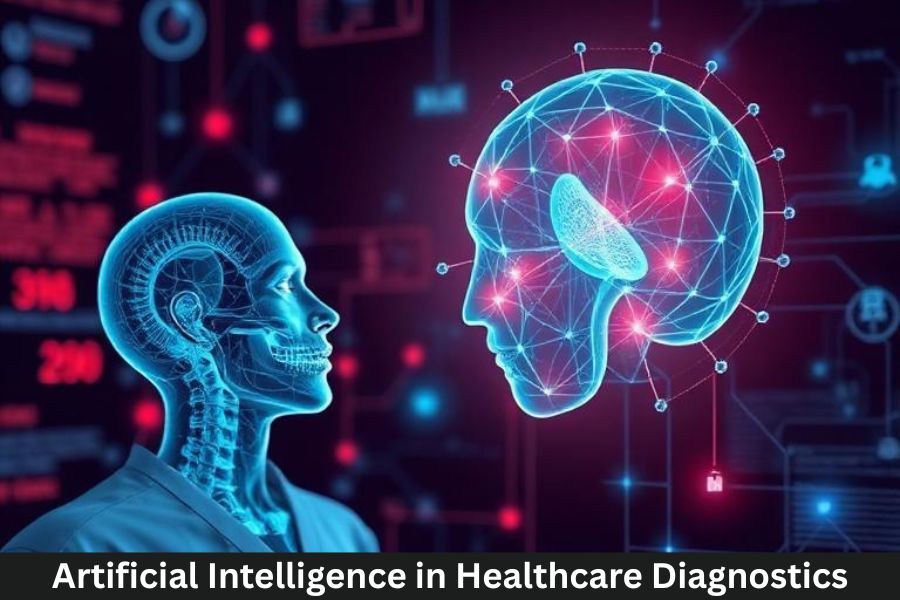
Artificial intelligence (AI) is no longer science fiction — it’s reshaping how medicine diagnoses diseases. The traditional diagnostic process often relies on human interpretation of complex data like medical images or lab results, which can be slow and prone to error. AI steps in to speed up these tasks with remarkable precision, helping doctors make better decisions and catch diseases earlier than ever before.
Understanding AI in Healthcare
What Is Artificial Intelligence?
At its core, AI refers to computer systems that perform tasks that normally require human intelligence. In healthcare diagnostics, this means identifying patterns in data, predicting health outcomes, and assisting clinicians in interpreting tests much faster than a person could alone.
How AI Fits Into Modern Medicine
AI is like having a highly experienced assistant who never gets tired — always ready to analyze patient history, imaging scans, or lab reports. It works alongside doctors, enhancing their ability to diagnose and treat patients by providing data-driven insights that might otherwise go unnoticed.
Core Technologies Driving AI Diagnostics
Several powerful technologies underpin AI’s capabilities in diagnostics.
Machine Learning & Deep Learning
These algorithms learn from vast amounts of data. For example, deep learning — a type of machine learning — can be trained on thousands of medical images so it can recognize tumors or anomalies that might be imperceptible to the human eye. CNNs (convolutional neural networks) are especially effective for image-based diagnosis.
Natural Language Processing (NLP)
NLP helps AI understand text-based medical records and clinical notes. Instead of manually sifting through pages of documents, AI reads and extracts crucial diagnostic information to assist doctors.
Predictive Analytics
This involves forecasting health outcomes based on patterns in data. For instance, AI can analyze historical trends to predict an individual’s risk of developing certain diseases years before symptoms appear.
Major Applications of AI in Diagnostics
AI’s influence spans many crucial areas of medical diagnostics.
Medical Imaging Revolution
AI systems excel at analyzing images such as X-rays, CT scans, and MRIs. They can detect subtle signs of illness — like tumors or fractures — often earlier and more accurately than traditional methods. This accelerates diagnosis and treatment planning.
Pathology and Lab Diagnostics
In pathology labs, AI can quickly scan tissue samples, flagging abnormalities for closer review. It also enhances blood test interpretations and other lab-based diagnostics.
Genetic Testing & Precision Medicine
AI analyzes genetic data to help tailor treatments to the individual. This means therapies are personalized based on how a patient’s genetic makeup may respond — a leap toward precision medicine.
Predicting Disease Before Symptoms Appear
AI’s predictive analytics can forecast risks of diseases like heart disease or diabetes by spotting trends in health data, which lets clinicians intervene earlier.
Real-World AI Diagnostics in Practice
AI Tools Detecting Cancer Early
AI systems are already improving cancer diagnosis. In radiology, tools analyze imaging to find signs of cancer earlier than many human radiologists could. Early detection dramatically improves survival rates and treatment outcomes.
Kidney Disease Prediction Success
In India’s Uddanam region, AI models attained nearly 99% accuracy in predicting chronic kidney disease using local health records — showcasing AI’s potential in regional healthcare challenges.
AI in Emergency Triaging
AI tools like Shockmatrix help quickly assess trauma cases in emergency rooms, supporting doctors in making urgent decisions without slowing down care.
Benefits of AI in Healthcare Diagnostics
Faster Diagnosis and Decision-Making
AI dramatically reduces time to analyze data, helping doctors make quicker diagnoses — vital when time matters most.
Improved Accuracy & Reduced Error
Studies show AI can match or exceed human diagnostic accuracy, particularly in areas like cancer detection and imaging interpretation, reducing the risk of misdiagnosis.
Personalized Treatments
AI enables personalized medicine by leveraging individual patient data — including genetics — to craft more effective treatment plans.
Challenges and Ethical Considerations
Data Privacy & Security
Handling sensitive health data introduces major privacy concerns. Healthcare AI systems must protect patient information with high-level encryption and comply with strict regulations like HIPAA and GDPR.
Bias and Fairness in AI Systems
If training data isn’t diverse, AI may perform poorly for underrepresented populations, leading to unequal healthcare outcomes. Ensuring fairness and inclusivity in AI models is essential.
Integration and “Black Box” Issues
Some AI models function as “black boxes” with unclear decision-making processes, making clinicians wary of fully trusting AI recommendations without transparency.
Regulatory and Compliance Issues
AI diagnostics tools must meet regulatory standards before clinical use, including FDA evaluations for accuracy and safety. Ensuring compliance with healthcare regulations adds a layer of complexity to implementation.
The Future of AI in Healthcare Diagnostics
The future promises tighter integration between AI and healthcare systems, with advancements in interpretability, regulatory frameworks, and even wider use in remote diagnostics and telemedicine. This evolution will further empower clinicians and expand access to quality care.
Conclusion
Artificial intelligence is transforming healthcare diagnostics by making diagnosis faster, more accurate, and more personalized. While challenges like data privacy, bias, and regulatory hurdles remain, the potential for improved patient outcomes is tremendous. As AI continues advancing, its role in diagnosing diseases will only grow more essential — creating a future where healthcare is smarter, fairer, and more accessible.
FAQs
1. Can AI replace doctors in diagnostics?
AI supports doctors but does not replace human clinical judgment. It enhances decision-making by offering data-driven insights.
2. How does AI improve diagnostic accuracy?
AI analyzes large datasets and detects patterns that may be too subtle for human experts, helping reduce misdiagnoses.
3. Is patient data safe with AI systems?
AI systems must follow strict data privacy regulations and use encryption to protect sensitive health information.
4. What are common challenges in AI healthcare adoption?
Key challenges include data bias, integration with legacy systems, and lack of transparency in AI decision-making.
5. How soon will AI become standard in diagnostics?
AI is already in use today, and its adoption will continue growing as technology matures and regulatory frameworks evolve.