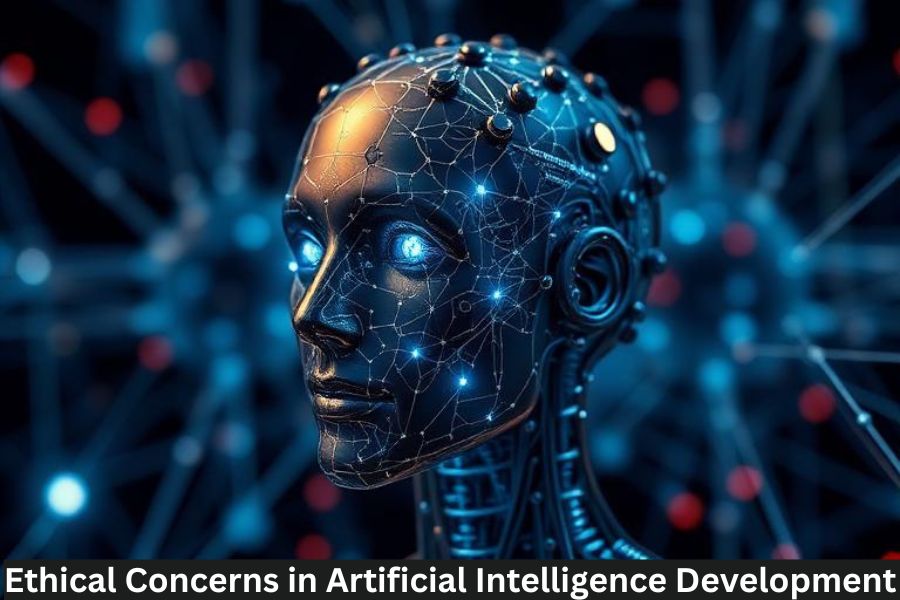
Artificial Intelligence is everywhere—from your phone to your shopping habits—and it’s changing the world faster than ever. But with great power comes great responsibility. As AI becomes smarter and more influential, ethical concerns rise alongside it. How do we ensure AI benefits everyone and doesn’t cause harm along the way?
Why AI Ethics Matters
AI has the potential to make our lives easier, but it can also make decisions with real-world consequences. Ethical guidelines help prevent misuse, discrimination, and privacy violations.
The Growing Impact of AI on Society
AI is shaping how we communicate, work, shop, and even receive healthcare. Its growing influence makes ethical questions more important than ever.
Bias and Fairness in AI
Bias in AI isn’t just a technical issue—it’s a social one.
Understanding Algorithmic Bias
AI learns from data. If that data is biased, the AI becomes biased too. It’s like teaching a child using skewed information; they’ll grow up with the same misconceptions.
Sources of Bias in Data
- Historical inequalities
- Incomplete datasets
- Human prejudices baked into training data
Impact on Marginalized Communities
Biased AI systems can deny loans, misclassify job applications, or unfairly target certain groups—amplifying societal inequalities.
Ensuring Fair Decision-Making
Developers must carefully audit models, diversify datasets, and implement fairness metrics to reduce bias.
Privacy Concerns in AI
AI thrives on data—but how companies collect and use that data matters.
Data Collection and Surveillance
Many AI systems collect large amounts of personal information, sometimes without users fully understanding it.
Risks of Data Misuse
Data breaches, tracking, and unauthorized use of personal data are real threats.
Balancing Innovation with User Privacy
Companies must find a balance between technological advancements and respecting privacy rights.
Transparency and Explainability
People want to know how AI makes decisions.
The “Black Box” Problem
Some AI models, especially deep learning systems, operate in ways that are difficult to understand—even for developers.
Importance of Explainable AI
Explainability builds trust, especially in fields like finance and healthcare, where decisions impact lives.
Building Trust Through Transparency
Clear documentation and open communication help users understand AI intentions and limitations.
Accountability and Responsibility
If an AI makes a mistake, who’s at fault?
Who Is Responsible for AI Decisions?
Developers? Companies? Regulators? This question is at the core of AI ethics.
Legal and Regulatory Challenges
AI develops faster than laws can keep up, creating gray areas concerning accountability.
Ethical Frameworks and Guidelines
Organizations like the EU and major tech companies are developing principles to guide responsible AI development.
Job Displacement and Workforce Impact
AI automation is changing the job market.
Automation Concerns
Many fear that AI will replace jobs—from customer service to manufacturing roles.
Opportunities for New Roles
AI also creates new jobs in programming, data analysis, and ethical oversight.
Preparing Workers for an AI-Driven Future
Upskilling and reskilling programs are essential to keep the workforce relevant.
Security and Safety Risks
AI can strengthen or weaken security—depending on how it’s used.
AI in Cybersecurity
AI can detect threats faster than humans, improving digital defenses.
Misuse of AI Technologies
Hackers can exploit AI for phishing, deepfake scams, and cyberattacks.
Potential for Autonomous Weapon Systems
Unregulated AI weapons pose a significant danger to global security.
AI in Healthcare Ethics
Healthcare is one of AI’s most impactful fields—but also one of the most sensitive.
Patient Data Privacy
Medical data is extremely personal, making its protection crucial.
AI-Assisted Diagnosis Concerns
While AI can detect diseases faster, errors can have life-or-death consequences.
Balancing Human and Machine Judgment
AI should support—not replace—medical professionals.
Deepfakes and Misinformation
AI-generated media is rapidly evolving.
The Rise of Synthetic Media
Deepfakes can create realistic images and videos that are hard to distinguish from reality.
Threats to Democracy and Public Trust
Fake political videos or edited recordings can spread misinformation quickly.
Combating Misinformation
Detection tools and strict policies are needed to identify manipulated content.
Environmental Impact of AI
AI models require significant computing power.
Energy Consumption in AI Training
Training large neural networks consumes massive amounts of electricity.
The Carbon Footprint of Data Centers
Data centers hosting AI models contribute to global emissions.
Sustainable AI Practices
Companies are exploring energy-efficient hardware and renewable energy sources.
Global Inequality in AI Development
Not all countries benefit equally from AI advancements.
Technology Gap Between Countries
Wealthy nations have access to advanced AI tools, while developing countries lag behind.
Unequal Access to AI Resources
This creates a digital divide that can worsen global inequality.
Ethical Implications of Global AI Power Dynamics
Countries dominating AI gain economic and political power, raising ethical concerns about fairness.
The Future of Ethical AI
The good news? There’s progress.
Emerging Standards and Regulations
Governments worldwide are working on AI laws to protect users and improve accountability.
Collaboration Between Governments and Tech Companies
Partnerships are essential to build responsible and transparent AI systems.
Conclusion
Artificial Intelligence brings incredible possibilities, but it also comes with serious ethical concerns. From privacy issues to global inequality, the challenges are real. The key is responsible development—building AI systems that are transparent, fair, and safe for everyone. By addressing these ethical questions today, we pave the way for a future where AI truly benefits humanity.
FAQs
1. What is the biggest ethical concern in AI?
Bias and fairness are often seen as the most pressing issues, as they directly impact human lives.
2. Can AI be completely unbiased?
Not entirely, but developers can minimize bias through diverse data and proper testing.
3. How does AI threaten privacy?
AI often relies on large amounts of personal data, which can be misused or exposed.
4. Are there laws regulating AI?
Many countries are introducing AI regulations, but global standards are still developing.
5. How can we ensure ethical AI development?
By focusing on transparency, fairness, accountability, and sustainability.