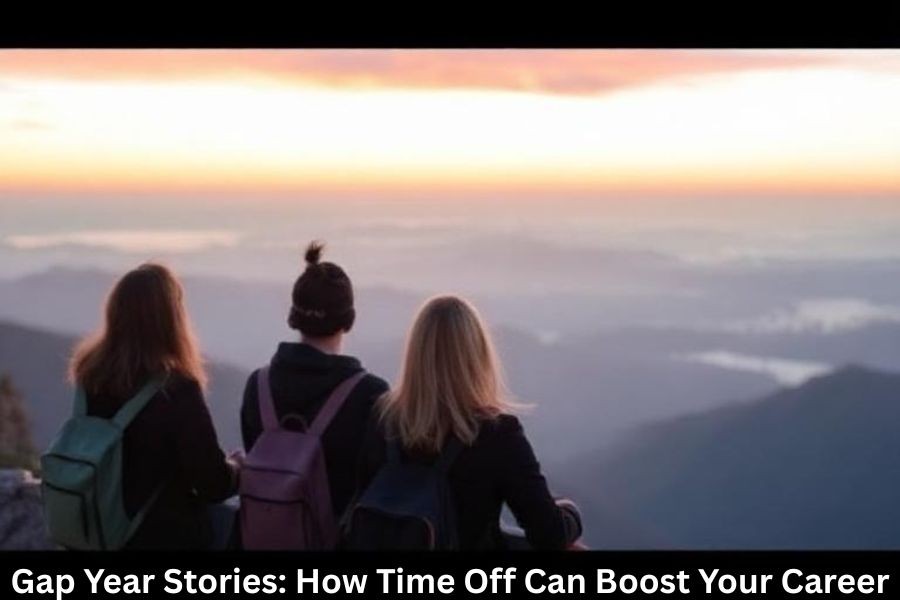
A gap year might sound like a luxury, but for thousands of students and professionals worldwide, it has become a life-changing pause. Whether you spend it traveling, learning new skills, or exploring different career paths, a gap year can offer clarity and direction you never knew you needed.
What Exactly Is a Gap Year?
A gap year is a planned break from school or work, typically lasting a few months to a full year. It’s not about doing nothing; it’s about doing something different—something meaningful.
Why Gap Years Are Becoming More Popular
More people are realizing that taking time off isn’t a setback but an investment in personal and professional growth. With burnout on the rise, a well-planned gap year can be exactly what someone needs to reset and recharge.
Personal and Professional Benefits of a Gap Year
Self-Discovery and Personal Growth
A gap year allows you to step out of your comfort zone. Whether you’re exploring new countries or trying new activities, the experience helps you discover your values, passions, and goals.
Gaining a Global Perspective
Travel exposes you to diverse cultures, languages, and lifestyles. The ability to understand and work with people from different backgrounds is a huge advantage in today’s global job market.
Building Soft Skills
Communication, leadership, teamwork, adaptability—these are skills that employers crave. A gap year naturally develops these abilities because you’re constantly tackling new situations.
Career Advantages of Taking a Gap Year
Enhancing Your Resume
A well-planned gap year can make your resume stand out. Employers appreciate candidates who demonstrate initiative, independence, and creativity.
Networking Opportunities
From fellow travelers to mentors you meet abroad, your gap year can significantly expand your professional circle.
Increased Confidence and Independence
Making decisions on your own, managing finances, and navigating unfamiliar places all help build confidence you can carry into your career.
Popular Gap Year Activities
Travel and Cultural Exploration
Travel is the most popular gap year activity. Whether you’re backpacking through Europe or exploring Southeast Asia, the experiences shape you in ways textbooks never could.
Volunteering Abroad
Volunteering—like teaching English or working on community projects—gives you a sense of purpose while helping you build skills.
Internships and Skill Development Programs
Some people use their gap year to take part in internships, online courses, or workshops that prepare them for future careers.
Freelancing and Side Projects
Your gap year is a great chance to test your creativity. Many start blogs, YouTube channels, or small freelance businesses during this time.
Real Gap Year Success Stories
How Travel Sparked Career Transformations
One traveler discovered a passion for photography while exploring South America and later became a professional photographer.
Students Who Returned More Focused
Many students return to school with renewed motivation, a clearer sense of purpose, and better study habits.
Professionals Who Changed Career Paths
A marketing professional who spent her gap year teaching abroad realized she loved education and switched to teaching full-time.
How a Gap Year Boosts Your Career
Developing Adaptability
Navigating unfamiliar environments sharpens your adaptability—a key trait in dynamic workplaces.
Improving Problem-Solving Skills
From budget challenges to travel mishaps, a gap year forces you to think fast and stay resourceful.
Discovering Hidden Talents
Often, people uncover talents they never knew they had—writing, designing, teaching, cooking, or even entrepreneurship.
Common Misconceptions About Gap Years
“Gap Years Are a Waste of Time”
In reality, they can add tremendous value to your education, career, and personal identity.
“Only Rich People Can Afford a Gap Year”
Not true. Many use scholarships, part-time work, or low-cost travel options to fund their gap year.
“Employers Won’t Take You Seriously”
Most employers appreciate well-rounded individuals—especially those with international or volunteer experience.
Planning a Productive Gap Year
Setting Clear Goals
Ask yourself: What do you want to gain? Skills? Clarity? Experience? Adventure? Your goals guide your activities.
Creating a Budget
Smart budgeting helps you make the most of your time without financial stress.
Choosing the Right Activities
Pick a mix of fun, learning, and skill-building experiences to maximize the benefits.
Challenges You Might Face
Financial Concerns
Travel and programs cost money, but proper planning and saving can make them manageable.
Cultural Adjustments
Adapting to new cultures can be tough, but it builds emotional resilience.
Staying Motivated
Being away from structured environments might make it easy to lose focus—this is why setting goals helps.
Tips for Making the Most of Your Gap Year
Document Your Experiences
Write a journal, start a blog, create videos—documenting your journey helps you reflect and share your growth.
Learn New Skills
Every destination or activity offers opportunities to learn. Grab them.
Maintain Professional Connections
Stay in touch with teachers, mentors, or employers. Your gap year shouldn’t disconnect you from your career path.
Final Thoughts
A gap year can be one of the most rewarding experiences of your life. It’s not a break—it’s a launchpad. With the right planning, it can help you grow personally, learn new skills, and even boost your career. Whether you travel, volunteer, or explore new passions, the time you invest in yourself always pays off.
FAQs
1. Is taking a gap year risky?
Not if you plan it wisely and set clear goals.
2. Can a gap year help me get a job?
Yes! It can make your resume more impressive and show employers you’re proactive.
3. How long should a gap year be?
Most last 6–12 months, but even shorter breaks can be valuable.
4. Do universities support gap years?
Many do—and some even encourage them.
5. What if I can’t afford to travel?
You can volunteer locally, take online courses, or work part-time. A gap year doesn’t have to be expensive.