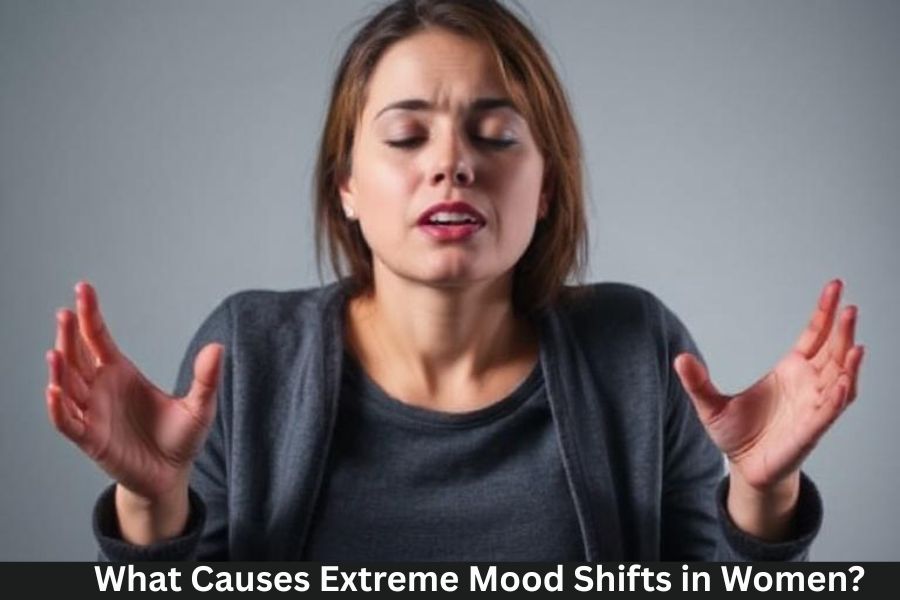
One minute you’re calm and focused. The next, you’re overwhelmed, irritated, or fighting back tears—and you don’t even know why. Sound familiar? Extreme mood shifts in women are more common than many people realize, yet they’re often misunderstood, minimized, or brushed off as “overreacting.” The truth is, these emotional changes usually have real biological, psychological, and lifestyle causes. Let’s unpack what’s really going on beneath the surface.
What Are Extreme Mood Shifts?
Mood shifts become “extreme” when emotions swing quickly, intensely, or unpredictably—often without a clear trigger.
Normal Mood Changes vs Extreme Mood Swings
Everyone has emotional ups and downs. That’s normal. Extreme mood shifts, however, feel more like emotional whiplash—sudden drops or spikes that disrupt daily life, relationships, or self-image.
When Mood Shifts Become a Concern
If mood changes interfere with work, sleep, relationships, or personal safety, it’s time to take them seriously.
Hormonal Changes: The Biggest Driver
Hormones are powerful messengers—and when they fluctuate, emotions often follow.
Estrogen and Progesterone Explained
Estrogen boosts serotonin (the “feel-good” chemical), while progesterone has calming effects. When these hormones rise and fall, mood stability can wobble.
Hormonal Sensitivity in Women
Some women are more sensitive to hormonal shifts, meaning even small changes can cause big emotional reactions.
Menstrual Cycle and Mood Changes
Monthly cycles can quietly shape emotional patterns.
PMS and Emotional Symptoms
Irritability, sadness, anxiety, and mood swings are common in the days before a period.
PMS vs PMDD
PMDD (Premenstrual Dysphoric Disorder) is a severe form of PMS that causes intense emotional distress and should never be ignored.
Ovulation and Mood Fluctuations
Ovulation can bring a short emotional high—or unexpected irritability—depending on hormonal balance.
Pregnancy and Postpartum Emotional Changes
Few life events reshape emotions like pregnancy.
Emotional Shifts During Pregnancy
Rapid hormonal changes can cause mood swings, anxiety, or emotional sensitivity.
Postpartum Mood Disorders
After childbirth, some women experience postpartum depression, anxiety, or psychosis due to sudden hormone drops and sleep deprivation.
Perimenopause and Menopause
Hormonal changes don’t stop after childbearing years.
Hormonal Decline and Emotional Instability
Estrogen fluctuations during perimenopause can trigger mood swings, anxiety, and irritability.
Mood Shifts During Menopause
Sleep disturbances, hot flashes, and emotional volatility often overlap during menopause.
Mental Health Conditions Linked to Mood Swings
Sometimes, mood shifts signal deeper mental health concerns.
Depression and Anxiety
These conditions don’t always look like sadness—they can appear as anger, numbness, or emotional overwhelm.
Bipolar Disorder
Bipolar disorder involves extreme mood shifts between depressive and elevated states and is often misdiagnosed in women.
Borderline Personality Traits
Intense emotional reactions and fear of abandonment can drive rapid mood changes.
Stress, Trauma, and Emotional Overload
Stress acts like emotional gasoline.
Chronic Stress and Cortisol
Constant stress keeps cortisol levels high, making emotional regulation harder.
Past Trauma and Emotional Triggers
Unresolved trauma can resurface through sudden emotional reactions that feel out of proportion.
Sleep Deprivation and Circadian Rhythm Disruption
Lack of sleep messes with emotional control.
Sleep and Emotional Regulation
Sleep helps the brain process emotions. Without it, everything feels heavier.
Why Women Are More Vulnerable
Hormonal changes, caregiving roles, and anxiety make women more prone to sleep disruptions.
Nutritional Deficiencies That Affect Mood
Your brain needs fuel—and balance.
Iron, Magnesium, and B Vitamins
Deficiencies can cause fatigue, irritability, anxiety, and mood instability.
Blood Sugar Imbalances
Skipping meals or eating too much sugar can cause emotional crashes.
Lifestyle Factors That Worsen Mood Swings
Daily habits quietly shape emotional health.
Caffeine, Alcohol, and Sugar
These can spike anxiety and worsen emotional highs and lows.
Overwork and Burnout
Constantly running on empty leaves little room for emotional resilience.
Medications and Mood Changes
Some medications alter emotional balance.
Birth Control and Hormonal Treatments
Hormonal contraceptives can improve or worsen mood, depending on individual sensitivity.
Antidepressants and Other Medications
Improper dosing or interactions can cause emotional instability.
Emotional Load and Societal Pressures on Women
Women often carry invisible emotional weight.
Mental Load and Caregiver Stress
Managing households, careers, and emotions simultaneously can be overwhelming.
Social Expectations and Guilt
Feeling pressured to “do it all” fuels emotional exhaustion.
How to Manage Extreme Mood Shifts
Awareness is power.
Tracking Mood Patterns
Mood tracking helps identify triggers tied to hormones, stress, or sleep.
Lifestyle and Self-Care Strategies
Regular sleep, balanced meals, movement, stress reduction, and emotional boundaries make a real difference.
When to Seek Professional Help
If mood shifts feel unmanageable, persistent, or frightening, professional support is essential. Help isn’t weakness—it’s wisdom.
Conclusion
Extreme mood shifts in women are rarely random. They’re often the result of hormonal changes, mental health conditions, stress, lifestyle habits, or unmet emotional needs. Understanding the cause is the first step toward relief. With the right support, awareness, and care, emotional balance isn’t just possible—it’s achievable.
Frequently Asked Questions (FAQs)
1. Are extreme mood swings normal for women?
Occasional mood shifts are normal, but extreme or disruptive changes deserve attention.
2. Can hormones alone cause severe mood changes?
Yes, especially in sensitive individuals or during major life stages.
3. Do mood swings always mean a mental illness?
No. Many are caused by hormonal, lifestyle, or stress-related factors.
4. Can diet really affect mood that much?
Absolutely. Nutrient deficiencies and blood sugar swings directly impact emotions.
5. What’s the fastest way to stabilize mood shifts?
Improving sleep, managing stress, and seeking professional guidance are key first steps.