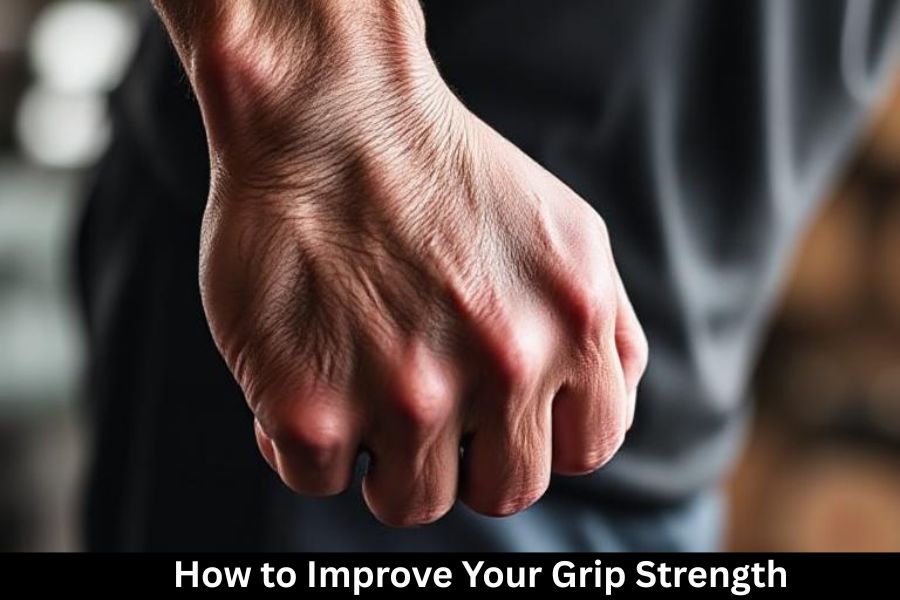
Grip strength is one of those things you don’t think about—until you lose it. Struggling to open jars, carry groceries, hang from a pull-up bar, or hold heavy weights can be frustrating. But grip strength isn’t just about hands; it’s a silent indicator of overall strength, health, and even longevity. Think of your grip as the foundation of upper-body power. If the foundation is weak, everything above it suffers.
What Is Grip Strength?
Grip strength refers to the force your hand can generate when gripping, holding, or squeezing an object.
Types of Grip Strength
Grip strength isn’t one-size-fits-all. It comes in different forms.
Crush Grip
This is the strength used when squeezing something—like a handshake or a hand gripper.
Pinch Grip
This involves gripping objects between your fingers and thumb, such as holding weight plates.
Support Grip
This is your ability to hold onto something for time, like carrying heavy bags or hanging from a bar.
Benefits of Strong Grip Strength
Strong hands do more than look impressive.
Better Performance in Sports and Fitness
From weightlifting and rock climbing to tennis and martial arts, grip strength directly affects performance. You can’t lift what you can’t hold.
Improved Daily Function and Longevity
Studies link strong grip strength with better overall health, reduced injury risk, and improved independence as you age.
Common Signs of Weak Grip Strength
- Difficulty opening jars
- Hands tiring quickly
- Weak handshake
- Trouble carrying heavy items
- Wrist pain or instability
If any of these sound familiar, it’s time to train your grip.
How Grip Strength Affects Overall Health
Grip strength is more than muscle—it’s a health marker.
Grip Strength and Aging
As we age, grip strength naturally declines. Training it helps maintain independence and reduce fall risk.
Grip Strength and Injury Prevention
Strong hands and wrists stabilize joints, reducing the chance of strains and overuse injuries.
Anatomy of Grip Strength
Understanding what you’re training helps you train smarter.
Muscles Involved in Grip
Grip strength relies on forearm flexors, extensors, hand muscles, and even shoulder stability.
Role of Forearms, Hands, and Wrists
Your forearms do the heavy lifting, while wrists and fingers fine-tune control and endurance.
Warm-Up Exercises for Grip Strength
Never skip the warm-up—your wrists will thank you.
Wrist Mobility Drills
Gentle wrist circles, flexion, and extension improve blood flow and prevent injury.
Finger Activation Exercises
Open and close your fists, spread fingers wide, and lightly squeeze a stress ball before training.
Best Exercises to Improve Grip Strength
These exercises deliver real results.
Farmer’s Carries
Grab heavy weights and walk. Simple, brutal, and incredibly effective for support grip.
Dead Hangs
Hang from a pull-up bar for time. This builds grip endurance and shoulder stability.
Hand Grippers
Perfect for crush grip. Start light and gradually increase resistance.
Towel Pull-Ups
Wrapping a towel around a bar forces your hands to work harder than normal pull-ups.
Plate Pinches
Hold weight plates together using only your fingers and thumb—great for pinch grip.
Grip Strength Training at Home
No gym? No problem.
No-Equipment Exercises
Fist squeezes, towel wringing, and wall hangs all work well.
Household Items You Can Use
Buckets, grocery bags, books, or water bottles can double as grip tools.
Grip Strength Training at the Gym
The gym offers endless possibilities.
Barbells and Dumbbells
Heavy deadlifts, rows, and carries naturally improve grip strength.
Fat Grip and Thick Bar Training
Thicker bars challenge your hands more and accelerate strength gains.
How Often Should You Train Grip Strength?
More isn’t always better.
Beginners vs Advanced Training
Beginners can train grip 2–3 times per week. Advanced lifters may integrate grip work into every session.
Recovery and Rest
Hands recover slower than large muscles. Rest days prevent overuse injuries.
Nutrition for Stronger Hands and Forearms
You can’t out-train poor nutrition.
Protein and Muscle Recovery
Protein supports muscle repair and growth, including forearm muscles.
Minerals That Support Grip Strength
Magnesium, calcium, and potassium support muscle contractions and nerve function.
Mistakes to Avoid When Training Grip Strength
Avoid these common pitfalls.
Overtraining
Too much grip work leads to tendon pain and plateaus.
Ignoring Wrist Health
Strong grip means nothing if your wrists are injured. Train balance and mobility.
Grip Strength for Specific Goals
Tailor training to your needs.
Athletes and Weightlifters
Focus on heavy carries, deadlifts, and bar holds.
Climbers and Martial Artists
Prioritize pinch grip, endurance hangs, and finger strength.
Seniors and Beginners
Use lighter resistance, higher reps, and controlled movements.
How Long Does It Take to Improve Grip Strength?
Most people notice improvements within 3–6 weeks with consistent training. Like sharpening a blade, grip strength improves steadily with patience.
When to Seek Professional Advice
If you experience chronic pain, numbness, or weakness, consult a physical therapist or trainer.
Conclusion
Grip strength is the unsung hero of physical fitness. It supports your workouts, protects your joints, and makes everyday tasks easier. The best part? You don’t need fancy equipment or endless hours to improve it. With smart training, consistency, and care, stronger hands—and a stronger body—are well within reach.
Frequently Asked Questions (FAQs)
1. Can grip strength be improved at any age?
Yes, grip strength responds well to training at any age.
2. Are hand grippers enough to build grip strength?
They help, but combining them with functional exercises works best.
3. Should grip training be done before or after workouts?
After workouts is ideal to avoid fatigue affecting lifts.
4. Does grip strength affect arm size?
Yes, forearm muscles often grow with grip training.
5. Can weak grip limit muscle growth?
Absolutely. If you can’t hold the weight, you can’t train effectiv