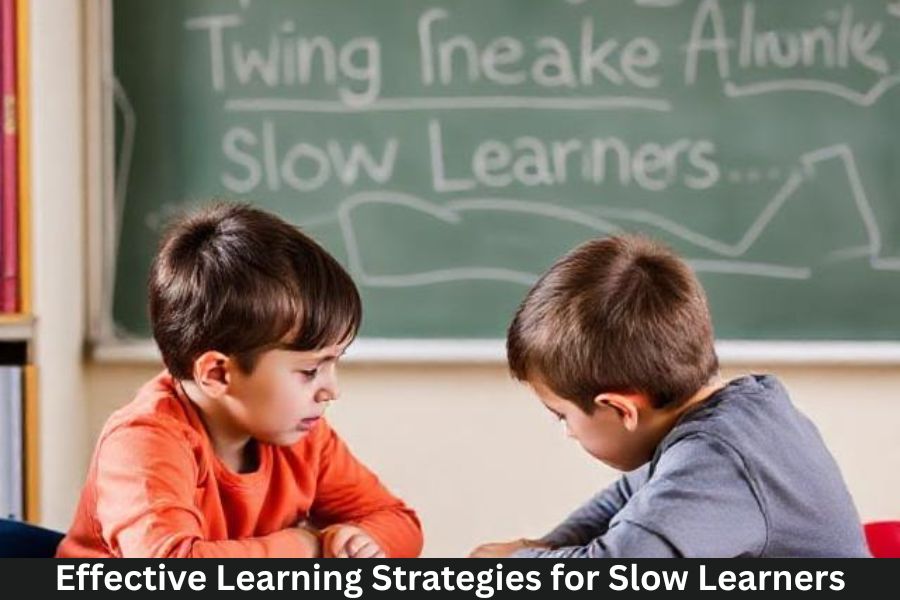
Every child learns at their own pace, but some need more time, patience, and support. Slow learners aren’t incapable—they simply learn differently. Recognizing their strengths and challenges helps create a more supportive learning environment.
What Does “Slow Learner” Really Mean?
A slow learner processes information more gradually than peers. They may require extra time to understand concepts, but they can absolutely achieve success with the right strategies.
Common Myths About Slow Learning
Many people assume slow learners lack intelligence. That’s far from the truth. Slow learning often stems from processing speed, not cognitive ability.
Signs and Characteristics
Some common traits include difficulty with instructions, struggles with memory, and slower reading or writing speed. They may appear distracted, but often they just need information delivered differently.
Importance of Personalized Learning
Why One-Size-Fits-All Doesn’t Work
Everyone’s brain works differently. Traditional teaching methods may overwhelm slow learners, making personalized learning essential.
Identifying Unique Learning Needs
Observation, simple assessments, and communication help identify how each child learns best—visually, verbally, or through hands-on activities.
Role of Teachers and Parents
Teachers guide learning, but parents reinforce it. When both work together, progress becomes smoother and faster.
Core Learning Strategies
Multi-Sensory Learning
Slow learners absorb information better when multiple senses are engaged. Combining hearing, touching, seeing, and doing strengthens understanding.
Breaking Tasks Into Smaller Steps
Large tasks can feel intimidating. Breaking them into smaller, manageable steps helps learners stay focused and motivated.
Repetition and Reinforcement
Repetition builds mastery. Reviewing lessons frequently helps slow learners retain information long-term.
Using Visual Aids
Visual learning can transform a complicated topic into something simple and memorable.
Flashcards
Great for quick recall—perfect for vocabulary, numbers, and formulas.
Charts and Diagrams
These help organize information and show relationships between ideas.
Storyboards
Turning lessons into stories makes learning fun and easier to remember.
Building Confidence in Slow Learners
Encouraging Self-Paced Learning
Allowing students to learn at a comfortable speed removes unnecessary pressure.
Celebrating Small Wins
Every achievement counts. Celebrating small successes boosts confidence and motivation.
Developing a Growth Mindset
Teaching learners to see mistakes as opportunities makes learning less stressful and more rewarding.
Classroom Strategies for Teachers
Flexible Teaching Methods
Mixing teaching styles—visual, auditory, and kinesthetic—helps reach every learner.
Providing Clear Instructions
Short, simple instructions prevent confusion and keep students on track.
Using Peer Support and Group Activities
Group learning encourages collaboration and builds social skills.
Home-Based Learning Techniques
Creating a Distraction-Free Environment
Quiet, organized spaces help improve focus and productivity.
Using Games and Interactive Tools
Learning games make education enjoyable while improving retention.
Daily Learning Routines
Consistency matters. A daily routine strengthens discipline and learning habits.
Technology for Slow Learners
Educational Apps
Apps designed for reading, math, and language can help reinforce classroom lessons.
Text-to-Speech & Speech-to-Text Tools
These tools support learners with reading and writing challenges.
Interactive Learning Platforms
Platforms like digital whiteboards or online tutoring provide personalized support.
Memory and Attention Improvement Techniques
Chunking Information
Breaking information into “chunks” makes it easier to understand and remember.
Memory Games
Games like puzzles, matching cards, and brain teasers build memory skills.
Focus-Building Activities
Activities like meditation or simple breathing exercises improve attention span.
Emotional and Social Support
Encouraging Communication
Letting learners express their challenges builds trust and boosts confidence.
Reducing Pressure
High expectations can overwhelm slow learners. Supportive guidance works better.
Building Support Systems
Teachers, parents, and peers should work together to provide encouragement and reassurance.
Tracking Progress
Using Assessments
Regular assessments reveal strengths, weaknesses, and growth.
Setting Realistic Goals
Goals should be achievable and tailored to each learner’s abilities.
Adjusting Teaching Methods Over Time
Learning strategies should evolve as the child grows and improves.
Final Thoughts
Slow learners aren’t slow in potential—just in pace. With patience, personalized strategies, and continuous encouragement, they can learn effectively and build confidence. Every learner deserves understanding, support, and the chance to shine.
FAQs
1. Are slow learners less intelligent?
Not at all. They simply process information more slowly.
2. Can slow learners improve academically?
Yes, with the right strategies and consistent support.
3. What is the best teaching method for slow learners?
Multi-sensory and step-by-step teaching works best.
4. Are learning apps helpful for slow learners?
Absolutely. They make learning interactive and easier.
5. How can parents support slow learners at home?
By creating routines, using visual tools, and offering emotional support.