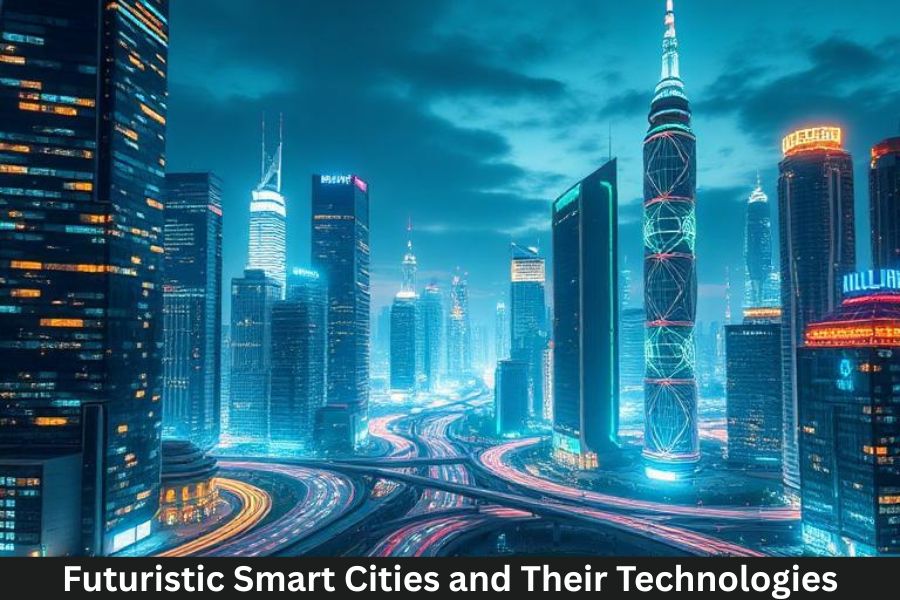
Smart cities are no longer a far-off concept from sci-fi movies—they’re becoming part of our everyday reality. These cities use technology to enhance the quality of life, improve operations, and create more sustainable, efficient urban environments. Imagine a city that “thinks,” “responds,” and “adapts” just like a living organism. That’s exactly what smart cities aim to achieve.
What Defines a Smart City?
A smart city uses digital technologies and data-driven solutions to optimize everything—transportation, energy, public services, safety, and sustainability. From intelligent traffic systems to automated waste management, these cities seamlessly integrate technology into urban life.
Why Smart Cities Are the Future
With rapid urbanization, cities must become more efficient, safer, and eco-friendly. Smart cities address these challenges by using advanced technologies to reduce pollution, save resources, and improve everyday experiences for citizens.
Core Technologies Powering Smart Cities
Internet of Things (IoT)
IoT forms the backbone of a smart city. It connects sensors, devices, machines, and systems to collect and transmit data in real time.
Connected Sensors and Devices
These sensors monitor traffic, air quality, energy usage, and even noise levels. They help city planners make informed decisions that directly improve urban life.
Artificial Intelligence and Machine Learning
AI and ML help automate processes, identify patterns, and predict future outcomes.
Predictive Decision-Making
From predicting peak electricity usage to identifying crime hotspots, AI helps cities make intelligent decisions faster and more accurately.
5G and Ultra-Fast Connectivity
Without fast internet, smart technologies can’t function. 5G enables lightning-speed connectivity, supporting real-time communication between millions of devices.
Cloud and Edge Computing
These technologies store and process vast amounts of data, allowing smart cities to function smoothly without delays.
Smart Infrastructure Innovations
Intelligent Transportation Systems
Transportation is one of the biggest challenges in big cities—and smart technologies transform it completely.
Smart Traffic Lights
Traffic lights that adapt to real-time flow help reduce congestion and cut down waiting times.
Autonomous Vehicles
Self-driving cars, buses, and delivery vehicles minimize accidents and improve travel efficiency.
Smart Energy Grids
Smart grids balance energy supply and demand automatically.
Renewable Energy Integration
Solar, wind, and other renewable sources are integrated seamlessly into the city’s energy system.
Real-Time Energy Monitoring
Smart meters help both citizens and authorities track consumption and reduce wastage.
Sustainable Building Technologies
Buildings in smart cities are designed to be energy-efficient and sustainable.
Green Architecture
Green roofs, natural ventilation, and eco-friendly materials help reduce environmental impact.
Automated Building Management
Sensors adjust lighting, temperature, and energy usage in real time, drastically reducing electricity consumption.
Smart Public Services
Smart Waste Management
Smart bins detect waste levels and send alerts to waste collectors, saving time and resources.
Smart Healthcare Systems
Telemedicine, remote diagnostics, and health monitoring devices allow faster, more efficient healthcare services.
Smart Public Safety and Security
AI-powered surveillance cameras, emergency response systems, and predictive policing make cities safer.
Environmental Impact and Sustainability
Reducing Carbon Footprint
Smart cities use clean energy and intelligent systems to reduce emissions significantly.
Efficient Resource Utilization
Everything from water usage to electricity consumption is optimized to prevent waste.
Challenges Faced by Smart Cities
Cybersecurity Risks
With so much reliance on digital systems, protecting data becomes a major concern.
High Costs and Implementation Issues
Building a smart city requires massive investment in infrastructure and technology.
Privacy Concerns
Collecting and analyzing data raises important questions about citizen privacy.
Examples of Leading Smart Cities
Singapore
Known for its advanced public services, efficient transport systems, and digital governance.
Dubai
From autonomous taxis to AI-driven police, Dubai is rapidly becoming one of the smartest cities in the world.
Seoul
A leader in IoT adoption and high-speed connectivity.
Copenhagen
Famous for its sustainable energy systems and climate-friendly infrastructure.
The Future of Smart Cities
Hyperconnected Urban Ecosystems
Future cities will operate like perfectly synchronized networks, with every device communicating seamlessly.
Human-Centered Smart Cities
Tech will not only make cities smarter—it will make them more livable, greener, and people-focused.
Conclusion
Futuristic smart cities aren’t just about advanced tech—they’re about improving the quality of life for everyone. With innovations in transport, energy, sustainability, and public services, these cities promise a future that’s efficient, eco-friendly, and truly connected. While challenges like privacy and cybersecurity remain, the potential benefits far outweigh the risks. The transformation has already begun—and the future of urban living looks brighter than ever.
FAQs
1. What is the main purpose of a smart city?
To improve urban living by using technology to increase efficiency, sustainability, and convenience.
2. How does IoT help in smart cities?
IoT connects devices and sensors to collect real-time data for better decision-making.
3. Are smart cities environmentally friendly?
Yes, they use renewable energy, smart grids, and efficient resource management to reduce environmental impact.
4. Which city is considered the smartest in the world?
Singapore is widely recognized as one of the leading smart cities globally.
5. What technologies are essential for smart cities?
IoT, AI, 5G, cloud computing, and smart infrastructure systems are the key foundational technologies.