We rely on digital data for everything—business operations, personal memories, financial information, and more. With cyber threats constantly evolving, the need for stronger data security has never been greater. This is where cloud storage comes in as one of the most secure, efficient, and reliable solutions available today.
The Growing Dependence on Digital Data
From small businesses to remote workers and enterprises, everyone depends on secure digital storage. As data grows, so does the responsibility to protect it from theft, corruption, and loss.
Why Data Security Is More Important Than Ever
Cyberattacks, ransomware, and data breaches are increasing at alarming rates. A single breach can cost businesses millions and destroy customer trust. Cloud storage offers powerful tools designed to prevent such disasters.
Understanding Cloud Storage Security
What Is Cloud Storage?
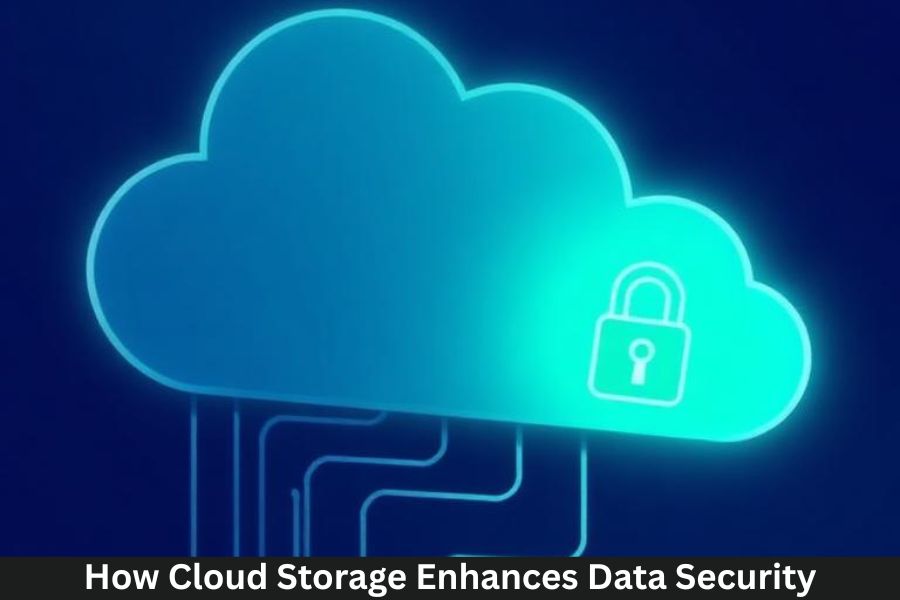
Cloud storage allows users to save data on remote servers accessed over the internet. Instead of storing files on local devices, data is stored in highly protected data centers run by professional cloud service providers.
Key Components of Cloud Security
Cloud security includes encryption, authentication, firewalls, monitoring systems, and strict physical protections—all working together to safeguard data.
Encryption: The First Layer of Cloud Protection
Data Encryption at Rest
When data is stored, it’s converted into unreadable code. Without the encryption key, no one can access or understand the data—even if they obtain it.
Data Encryption in Transit
As data moves between devices and cloud servers, encryption prevents hackers from intercepting or tampering with it.
End-to-End Encryption
This ensures that data stays encrypted from the moment it leaves your device until it reaches its destination, providing the highest level of privacy.
Access Control and Authentication Mechanisms
Multi-Factor Authentication (MFA)
MFA adds extra layers of verification such as OTPs, biometrics, or email confirmations. Even if someone steals your password, they still can’t get in.
Role-Based Access Control (RBAC)
Businesses can assign specific permissions to employees. Only authorized users can access sensitive data, reducing insider threats.
Single Sign-On (SSO)
SSO lets users log in once and access multiple systems securely. It reduces password fatigue and strengthens security.
Automatic Data Backup and Redundancy
Cloud Backup Systems
Cloud providers automatically back up data to protect it from corruption, accidental deletion, or system failures.
Multi-Region Redundancy
Your files are stored in multiple geographic locations. If one data center crashes, your data remains safe and accessible.
Disaster Recovery Planning
Cloud storage supports business continuity by restoring operations quickly after disasters like cyberattacks or natural events.
Advanced Threat Detection and Monitoring
AI-Powered Threat Detection
Cloud security tools use artificial intelligence to detect suspicious behavior and stop threats before they cause damage.
Continuous Monitoring
Real-time scanning ensures that vulnerabilities and attacks are identified instantly.
Real-Time Alerts
If something unusual happens, administrators receive immediate alerts to take action.
Compliance and Regulatory Advantages
Meeting Global Security Standards
Cloud providers follow strict standards like ISO 27001, GDPR, and HIPAA to protect user data.
Industry-Specific Regulations
Sectors like healthcare, finance, and education benefit from compliant cloud solutions tailored to their needs.
Simplified Auditing
Cloud platforms make reporting and tracking data easier, helping businesses pass audits smoothly.
Physical Security of Data Centers
Highly Secured Server Facilities
Cloud data centers use advanced physical protections including biometric locks and reinforced structures.
Controlled Access Environments
Only authorized technicians can access server rooms.
24/7 Monitoring and Surveillance
Continuous video monitoring and security teams protect your data from physical threats.
Benefits of Cloud Security Over Traditional Storage
Cost-Effectiveness
Cloud storage eliminates the need for expensive hardware and maintenance.
Scalability and Flexibility
You can increase or decrease storage based on your requirements—instantly.
Reduced Human Error Risks
Automated systems minimize errors caused by manual handling or outdated technology.
Common Myths About Cloud Security
“Cloud Isn’t Safe”
Cloud data is often safer than local storage because it’s protected by advanced security systems.
“Cloud Providers Access My Data”
The truth: encrypted data cannot be read by cloud providers without your decryption key.
“Cloud Storage Is Too Complex”
Most cloud platforms are easy to use with simple dashboards and automated tools.
Future Trends in Cloud Security
Zero-Trust Architecture
Zero-trust assumes no user or device is safe until verified—making systems far more secure.
Quantum-Safe Encryption
As quantum computing evolves, cloud providers are preparing encryption strong enough to withstand future threats.
Increasing Use of AI Security Tools
AI will continue to enhance predictive security and automated threat responses.
Conclusion
Cloud storage has transformed the way individuals and businesses protect their data. With advanced encryption, strong access controls, redundancy, compliance tools, and powerful monitoring systems, cloud technology offers unmatched security. As cyber threats grow more sophisticated, cloud storage continues to evolve—making it one of the safest ways to store and manage critical data.
FAQs
1. Is cloud storage safer than traditional storage?
Yes. Cloud storage offers stronger encryption, regular backups, and advanced security systems.
2. Can cloud providers access my data?
No. With proper encryption, cloud providers cannot read your data.
3. What happens if a cloud server fails?
Your data is stored in multiple locations, ensuring uninterrupted access.
4. Does cloud storage protect against cyberattacks?
Yes. Features like MFA, encryption, and AI monitoring help prevent attacks.
5. Is cloud storage suitable for businesses?
Absolutely. It enhances security, reduces costs, and improves productivity.