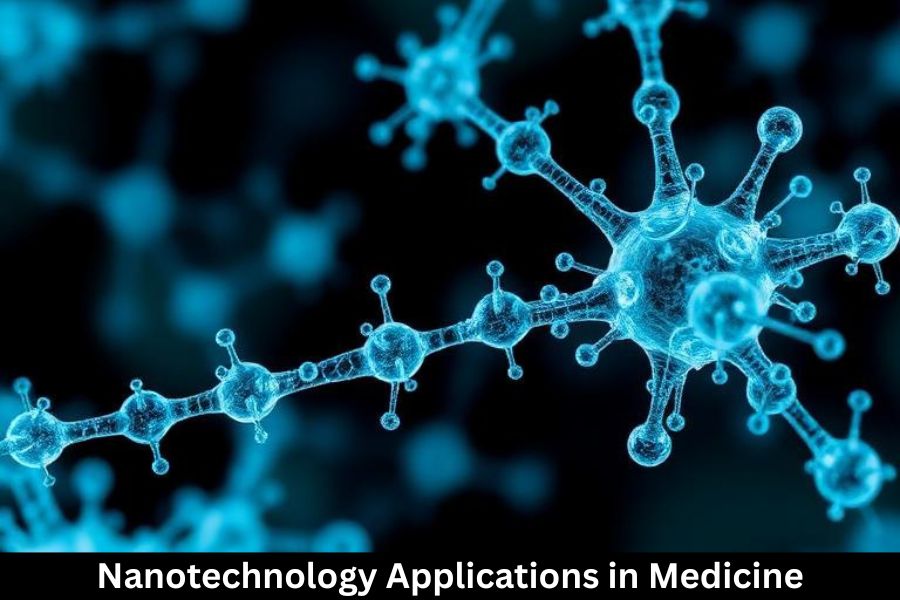
Nanotechnology is the science of manipulating materials at the nanoscale—so small that it’s invisible to the naked eye. At this tiny level, materials behave differently, offering new possibilities in fields like medicine, electronics, and engineering.
Why Nanotechnology Matters in Medicine
In healthcare, nanotechnology enhances precision, reduces side effects, and enables treatments that were once impossible. Imagine delivering medicine directly to a single cell—nanotech is making that a reality.
Nanoparticles in Drug Delivery
Targeted Drug Delivery
Nanoparticles can be engineered to seek out specific cells or tissues. Instead of flooding the entire body with medication, doctors can send drugs precisely where they’re needed.
Controlled Release Systems
Nanocarriers can release medicine slowly over time. This means fewer doses, more convenience, and better treatment outcomes.
Reducing Side Effects
Because drugs target only diseased cells, healthy tissue remains unharmed—leading to fewer side effects and higher patient comfort.
Nanotechnology in Disease Diagnosis
Nano-Biosensors
Nano-biosensors can detect biomarkers in tiny concentrations, giving doctors quick and accurate diagnostic information.
Lab-on-a-Chip Devices
These miniature labs can perform multiple tests using only a tiny drop of blood. They bring diagnostics closer to the patient and speed up treatment decisions.
Early Detection of Diseases
Nanotechnology can detect diseases at earlier stages than conventional methods, making it a powerful tool in fighting cancer, infections, and autoimmune disorders.
Nanotechnology for Cancer Treatment
Nano-Carriers for Chemotherapy
Traditional chemotherapy affects both healthy and cancerous cells. Nanotech carriers deliver chemo only to tumors, reducing harmful side effects.
Hyperthermia Therapy
Nanoparticles can heat cancer cells when exposed to magnetic fields or light. This targeted heat destroys tumors without harming surrounding tissues.
Real-Time Tumor Imaging
Nano-imaging agents make tumors visible at much earlier stages, helping doctors diagnose and monitor cancer more effectively.
Nanorobots in Medicine
How Nanorobots Work
Nanorobots are microscopic machines designed to travel through the body and perform specific tasks—like repairing tissues or delivering drugs.
Applications in Surgery
Nanorobots could one day replace invasive surgeries by repairing tissues at the cellular level.
Future of Nanorobotic Therapies
Future nanorobots may detect diseases before symptoms appear, clear artery blockages, or even correct genetic mutations.
Nanotechnology in Tissue Engineering
Regenerative Medicine
Nanomaterials help regenerate damaged tissues, offering hope for conditions like heart disease and organ failure.
Nano-Scaffolds
Nano-scaffolds support the growth of new cells, helping create artificial tissues and eventually functioning organs.
Artificial Organs
Scientists are using nanotechnology to build artificial skin, cartilage, and potentially full organs for transplants.
Antimicrobial Nanomaterials
Nano-Coatings in Hospitals
Hospitals use antimicrobial nano-coatings on surfaces to reduce infections. These coatings kill bacteria on contact.
Silver Nanoparticles
Silver nanoparticles are powerful antimicrobials used in wound dressings, hospital equipment, and medical implants.
Fighting Antibiotic Resistance
Nanotechnology offers new ways to fight resistant bacteria—a growing global health problem.
Nanotechnology in Imaging and Diagnostics
MRI Contrast Agents
Nano-enhanced contrast agents improve MRI clarity, allowing doctors to detect small abnormalities.
Quantum Dots
Quantum dots are bright, nanoscale crystals used for high-resolution imaging inside cells.
Real-Time Monitoring
Nanotech devices allow continuous monitoring of biological processes, giving doctors instant feedback.
Wearable Nano-Health Devices
Smart Sensors
Wearable devices equipped with nano-sensors track vital signs like glucose levels, heart rate, and hydration.
Continuous Health Monitoring
Real-time data helps patients manage chronic diseases and provides doctors with actionable insights.
Patient-Centered Healthcare
Wearable nanotech empowers patients to take control of their health like never before.
Challenges and Ethical Concerns
Safety and Toxicity Issues
Some nanoparticles may be toxic. Extensive research is needed to ensure safety.
Privacy Concerns
Health data collected through nano-devices must be protected to maintain patient privacy.
Regulatory Challenges
Governments must develop guidelines to regulate nanomedicine while encouraging innovation.
The Future of Nanomedicine
Personalized Nanomedicine
Nanotechnology will make personalized treatments more accessible—custom drugs, targeted therapies, and individualized diagnostics.
Nanotech in Global Healthcare
Developing countries could benefit from affordable diagnostic tools and portable nano-devices.
Emerging Innovations
From nanorobots to artificial organs, the future of medicine will be powered by nanoscale breakthroughs.
Conclusion
Nanotechnology is revolutionizing medicine in ways we never imagined. From targeted drugs and early diagnosis to nanorobots and artificial organs, these innovations are transforming healthcare into a more precise, effective, and patient-focused field. As research continues, nanomedicine will play an even bigger role in improving lives and shaping the future of healthcare.
FAQs
1. What is nanotechnology used for in medicine?
It’s used for drug delivery, diagnostics, imaging, tissue engineering, and more.
2. Are nanoparticles safe?
Most are safe, but rigorous testing ensures they don’t harm the body.
3. Can nanotechnology cure cancer?
It plays a major role in targeted therapies and early detection, improving treatment outcomes.
4. What are nanorobots in medicine?
Tiny machines that can deliver drugs, repair tissues, or perform micro-level surgeries.
5. How will nanotechnology impact future healthcare?
It will make treatments more personalized, effective, and accessible worldwide.